Happy Kindergarten: A Playful Handwritten Font for Handmade Products
It started with a birthday party invitation. I was sitting at my kitchen table, a stack of blank cardstock in front of me, trying to capture the feeling of a sunny afternoon for a five-year-old celebration. I wanted something that felt like crayon marks on construction paper, but polished enough to print and mail. I opened my font menu, scrolled past the usual serif and sans serif options, and landed on Happy Kindergarten. In that instant, the invitation went from basic to bursting with joy. The letters seemed to dance off the page, each curve and loop carrying a sense of play that no other typeface could match. That was the moment I understood what a display font could truly do for a handmade project.
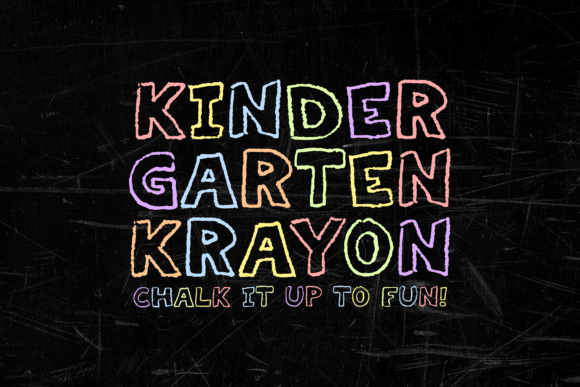
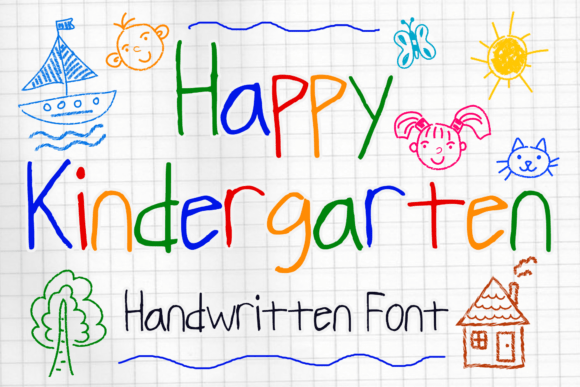
Happy Kindergarten is an effortlessly playful handwritten font that brings a childlike warmth to any design. Its personality is whimsical and light, with uneven strokes and charming irregularities that make every word feel like it was written by a happy little hand. This is not a font for stiff corporate brochures or formal documents. It belongs on candle labels, birthday cards, wedding welcome signs, boutique packaging, and anything that needs a touch of genuine sweetness. For makers and sellers, it is a tool that transforms ordinary products into something that feels personal and loved.
Why Happy Kindergarten Works for Handmade Products
When you are running a small shop or creating printable designs, every element of your product matters. The font you choose is not just decoration—it is part of your brand identity. Happy Kindergarten has a distinct visual personality that communicates warmth, approachability, and creativity. It is the kind of font that makes a customer smile before they even read the words. That emotional connection is gold for a handmade business. Whether you design stickers for planners, wall art for nurseries, or tags for gift baskets, this font adds a layer of charm that feels honest and handmade.
I have used Happy Kindergarten on candle labels for a line of scents named after childhood memories. The word “popsicle” in that font looked like it belonged on a summer porch. For a set of birthday invitations, I paired it with a simple sans serif for the details, and the contrast made the playful headline pop even more. The font works beautifully for short phrases, names, titles, and decorative wording. It is not designed for long paragraphs of text, but for the moments that need to stand out—the name on a tag, the greeting on a card, the quote on a print.
Real Maker Moments with Happy Kindergarten
I remember prepping a small batch of handmade soap labels for a craft fair. I had tested several fonts, but nothing felt right until I dropped in Happy Kindergarten for the scent names. “Honey Lavender” suddenly looked like it was written on a chalkboard in a cozy farmhouse kitchen. The labels felt warm and inviting, and I noticed people pausing to read them before picking up the bars. That is the power of a font that carries emotion. It does not just inform—it invites.
For a set of printable wall art designs, I used Happy Kindergarten for the main quote in a series of nursery prints. The words “dream big little one” looked soft and encouraging, and the uneven lettering gave it a handmade feel that my customers loved. I also used it on a wedding welcome board for a backyard wedding. The couple wanted something casual and sweet, and the font delivered. It looked like it had been hand-lettered with care, but I finished the design in minutes.
Another project involved designing holiday gift tags. I printed a sheet of “to” and “from” labels using Happy Kindergarten, and they looked like they had been written with a marker by a cheerful elf. The tags sold out quickly, and I realized that the font was doing more than just labeling—it was adding a story to each package.
Practical Uses for Happy Kindergarten in Your Shop
Happy Kindergarten is incredibly versatile for a display font. Here are some ways I have used it and seen it shine:
- Stickers and labels: Perfect for product labels, pantry labels, and sticker sheets. The playful letters make everyday items feel special.
- Greeting cards and invitations: Birthdays, baby showers, and casual celebrations. The font sets a joyful tone right away.
- Wedding stationery: Use it for welcome signs, place cards, and thank-you notes when you want a relaxed, intimate feel.
- Wall art and printables: Great for nursery quotes, classroom decor, and home prints. The handwritten style feels personal and warm.
- Planner pages and digital templates: Add a whimsical touch to weekly layouts, habit trackers, and journal covers.
- Product packaging: Boutique tags, gift boxes, and craft fair displays. The font helps your brand feel approachable and creative.
- Mugs, shirts, and tote bags: Short phrases and names look fantastic when heat-pressed or screen-printed. The font holds up well on fabric and ceramic.
- Signs and seasonal decor: Farmhouse-style signs, holiday banners, and chalkboard-inspired designs. Happy Kindergarten brings a nostalgic charm.
Readability and Practical Tips for Making
One of the first things I tested with Happy Kindergarten was readability on small items. I printed a sample at different sizes on sticker paper and cardstock. At larger sizes, the font is clear and easy to read. On small labels or tags, I recommend keeping the word count low and the size generous. For cutting machines, the font works well for simple designs, but I always outline the text before cutting to ensure clean edges. If you are using it for vinyl or heat transfer, test a small phrase first to see how the letterforms behave. The irregular strokes add charm, but they can be tricky with intricate cuts if you are not careful.
For printed products like cards and invitations, the font prints beautifully on both matte and glossy paper. I have used it on kraft paper for a rustic look, and on white cardstock for a clean, bright feel. It also works well in digital mockups and listing images, where the playful style catches the eye and communicates the handmade nature of your product.
Font Pairing Ideas for a Cohesive Look
Happy Kindergarten is a star player, but it shines even brighter when paired with a complementary font. For a balanced design, I pair it with a clean sans serif like Montserrat or Lato for the body text. The contrast between the playful headline and the simple details creates a professional, polished look. A simple serif font like Playfair Display also works well for elegant invitations, adding a touch of sophistication while keeping the overall feel warm. If you want to lean into the handcrafted vibe, try pairing it with another handwritten font that has a different weight or style. Just be careful not to use too many competing styles—keep it to two fonts at most for a cohesive brand identity.
For logos and shop branding, I use Happy Kindergarten for the shop name or key phrase, and a neutral sans serif for the tagline. This combination keeps the brand recognizable and approachable. The font also works well with bold display fonts for headers, but I tend to let Happy Kindergarten take the lead in designs that need a playful, childlike mood.
What to Check Before You Start Selling
Before you use Happy Kindergarten for commercial products, it is important to review the licensing details. Check whether the font includes styles, alternates, ligatures, and swashes that you can use in your designs. Some handwritten fonts come with multiple versions or extra characters that add even more personality. Also confirm the file formats included—OTF and TTF are standard for most design software and cutting machines. Look for multilingual support if you plan to sell internationally or use special characters. The commercial license should cover physical products, templates, printables, SVG-style designs, merchandise, and digital downloads. If you are creating products for sale, always ensure you have the right to use the font commercially. This step protects your shop and your creative work.
I also recommend testing the font in your design software before committing to a large order. Open it in your program, type a few phrases, and see how the alternates and ligatures behave. Some fonts require special software to access all the extra characters, so check the documentation. This small step saves time and helps you plan your designs more effectively.
Bringing Happy Kindergarten into Your Creative Workflow
Adding Happy Kindergarten to your font library is like inviting a playful friend to your studio. It changes the way you approach design. Suddenly, ordinary labels become conversations, and simple signs become memories. I have used it for everything from nursery wall art to wedding signage, and it never fails to add a layer of warmth that customers notice. The font has become a staple in my toolkit for seasonal products, especially for spring and summer collections where the lighthearted feel matches the mood. It also works beautifully for children’s products, but do not limit it to that—the font has a universal charm that appeals to adults too, especially in projects that celebrate nostalgia, family, and handmade care.
When I design a new product, I often start with the font. I drop a word into Happy Kindergarten and let it guide the color palette, the paper choice, and the overall vibe. It is a font that inspires creativity rather than dictating rules. For makers who want their products to feel personal and joyful, Happy Kindergarten is a practical, beautiful choice that delivers every time. Whether you are printing a batch of stickers for your shop, designing a custom invitation for a friend, or building a brand from scratch, this font will help you create something that people want to hold onto.